

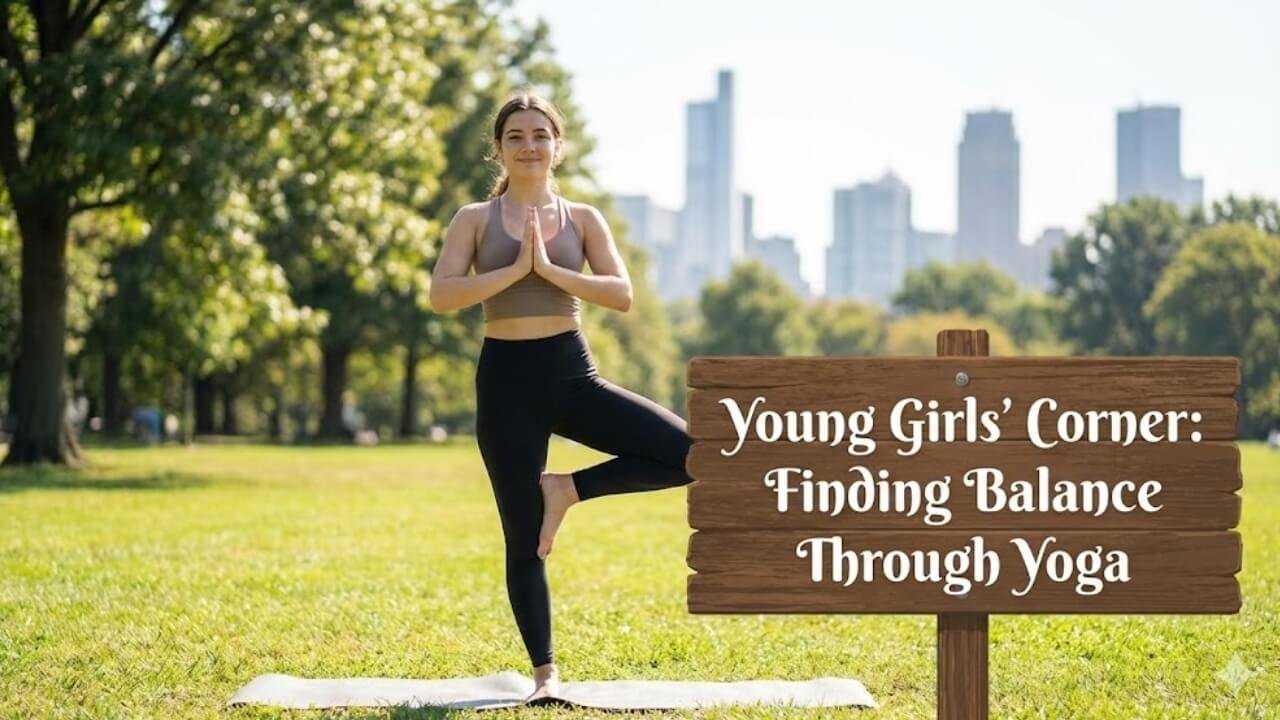
Ancient practice, modern benefits – yoga is self-care for your body and mind.
Why Yoga for Young Women?
Yoga isn’t just stretching – it’s a complete practice that benefits your physical and mental health in ways especially important for women.
Benefits you’ll notice:
- Reduced menstrual cramps and PMS
- Better stress management
- Improved PCOS symptoms
- Increased flexibility and strength
- Better posture (especially if you sit a lot)
- Improved sleep quality
- Reduced anxiety
- More body awareness
- Hormonal balance support
Best part: You can practice anywhere, anytime, with no equipment needed.
Getting Started: What You Need
Equipment:
- Yoga mat (or a thick towel)
- Comfortable, stretchy clothing
- Optional: yoga block, strap (can use household items instead)
Time:
- Start with 15-20 minutes daily
- Morning energizes you; evening relaxes you
- Consistency matters more than duration
Space:
- Any quiet corner of your room
- Enough room to stretch your arms in all directions
Beginner Poses for Women’s Health
1. Child’s Pose (Balasana)
Benefits: Relieves menstrual cramps, calms the mind, gently stretches hips
How to:
- Kneel on the floor, big toes touching
- Sit back on your heels
- Fold forward, arms extended or alongside your body
- Rest your forehead on the mat
- Breathe deeply for 1-3 minutes
2. Cat-Cow Pose (Marjaryasana-Bitilasana)
Benefits: Relieves back pain, improves spine flexibility, massages abdominal organs
How to:
- Start on hands and knees (tabletop position)
- Inhale: arch your back, lift head and tailbone (Cow)
- Exhale: round your spine, tuck chin and tailbone (Cat)
- Repeat 10-15 times, flowing with your breath
3. Butterfly Pose (Baddha Konasana)
Benefits: Opens hips, relieves menstrual discomfort, improves digestion
How to:
- Sit with legs extended
- Bend knees, bring soles of feet together
- Hold feet with hands, bring heels close to body
- Gently press knees toward floor (don’t force)
- Hold 1-3 minutes, breathing deeply
Half Butterfly: Extend one leg, bend the other. Great for hip flexibility during pregnancy preparation!
4. Cobra Pose (Bhujangasana)
Benefits: Strengthens back, opens chest, supports reproductive health
How to:
- Lie on stomach, legs extended
- Place palms under shoulders
- Inhale, lift chest off the floor
- Keep elbows slightly bent, shoulders away from ears
- Hold 15-30 seconds, repeat 2-3 times
5. Legs-Up-The-Wall (Viparita Karani)
Benefits: Reduces bloating, improves circulation, relieves tired legs, calms nervous system
How to:
- Sit sideways against a wall
- Swing legs up the wall as you lie back
- Hips can touch the wall or be a few inches away
- Arms at sides, palms up
- Stay 5-10 minutes (perfect before bed!)
6. Seated Forward Bend (Paschimottanasana)
Benefits: Relieves menstrual discomfort, calms the mind, stretches back
How to:
- Sit with legs extended
- Inhale, lengthen spine
- Exhale, hinge at hips, reach toward feet
- Go only as far as comfortable – don’t force
- Hold 1-2 minutes
7. Reclining Bound Angle Pose (Supta Baddha Konasana)
Benefits: Opens hips and chest, deeply relaxing, supports reproductive health
How to:
- Lie on your back
- Bring soles of feet together, knees apart
- Place hands on belly or out to sides
- Hold 3-5 minutes
- Perfect for relaxation or meditation
Simple 15-Minute Daily Routine
Morning Energizer:
- Cat-Cow Pose – 1 minute
- Child’s Pose – 2 minutes
- Cobra Pose – 1 minute (repeat 3 times)
- Butterfly Pose – 2 minutes
- Standing forward bend – 1 minute
- Simple twists – 2 minutes each side
- Final relaxation – 3 minutes
Evening Relaxation:
- Seated forward bend – 2 minutes
- Butterfly Pose – 3 minutes
- Legs-Up-The-Wall – 5 minutes
- Reclining Bound Angle – 3 minutes
- Deep breathing in corpse pose – 2 minutes
Yoga for PCOS Relief
Focus on:
- Hip-opening poses (Butterfly, Half Butterfly)
- Belly-stimulating poses (Cobra, Boat Pose)
- Stress-reducing poses (Child’s Pose, Legs-Up-The-Wall)
- Breathing exercises (helps regulate hormones)
Practice 5-6 days per week for best results.
Yoga for Menstrual Health
During Your Period:
- Gentle poses are beneficial
- Avoid inversions (headstands, shoulder stands)
- Focus on restorative poses
- Child’s Pose and Butterfly are especially helpful
For Painful Periods: Practice these daily throughout the month:
- Butterfly Pose
- Cat-Cow
- Child’s Pose
- Reclining Bound Angle
Breathing Exercises (Pranayama)
Alternate Nostril Breathing (Nadi Shodhana)
Benefits: Balances hormones, reduces stress, calms mind
How to:
- Sit comfortably, spine straight
- Close right nostril with right thumb
- Inhale through left nostril
- Close left nostril with ring finger
- Release right nostril, exhale
- Inhale through right nostril
- Close right, exhale through left
- Repeat 5-10 rounds
Deep Belly Breathing
Benefits: Activates relaxation response, reduces anxiety
How to:
- Lie down or sit comfortably
- Place one hand on belly, one on chest
- Inhale deeply through nose, belly rises
- Exhale slowly through nose, belly falls
- Continue for 5-10 minutes
Tips for Success
Start Slow: Don’t try advanced poses right away. Master the basics.
Listen to Your Body: Yoga should feel challenging but not painful. Honor your limits.
Breathe: Never hold your breath. If you can’t breathe steadily, ease up.
Be Consistent: Better to do 15 minutes daily than 2 hours once a week.
Use Resources:
- YouTube channels for guided practices
- Yoga apps with daily reminders
- Local beginner classes
- Online communities
Don’t Compare: Your flexibility will improve with practice. Focus on your journey.
When to Avoid Certain Poses
Avoid inversions during:
- Menstruation
- Pregnancy (without instructor guidance)
- High blood pressure
Modify if you have:
- Back pain (be gentle with forward bends)
- Knee issues (use props, don’t force)
- Neck problems (skip shoulder stands)
Always consult a doctor if you have health concerns.
Your Yoga Journey Starts Now
This Week’s Challenge: Practice Child’s Pose and Butterfly Pose for just 5 minutes before bed every night. Notice how you feel after 7 days.
Remember
Yoga is not about touching your toes – it’s about what you learn on the way down. Be patient with yourself. Every expert was once a beginner.
Your mat is your sanctuary. Return to it often.