

Protecting Your Future
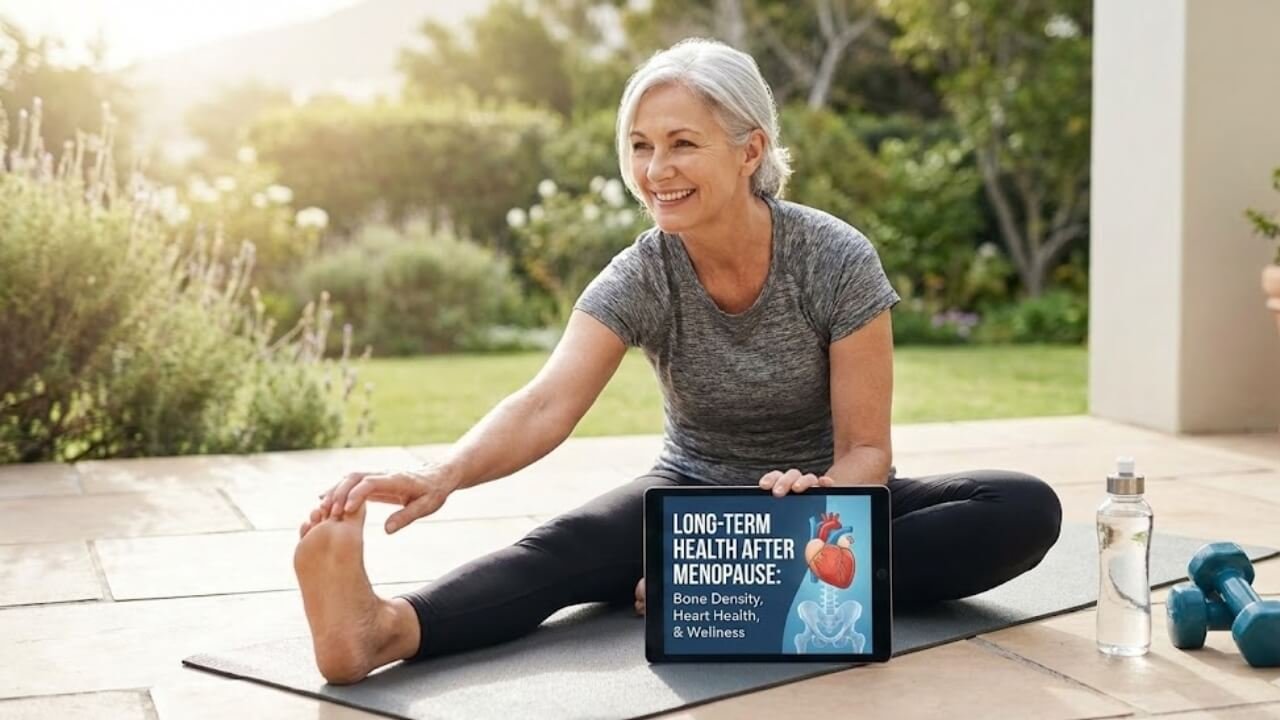
Menopause marks a transition that brings not only immediate symptoms but also long-term health considerations. The dramatic decline in estrogen affects multiple body systems—bones, heart, brain, and more. Understanding these changes empowers you to take action now to protect your health for decades to come.
Why Menopause Affects Long-Term Health
Estrogen’s Role: Before menopause, estrogen doesn’t just control reproduction—it protects your bones, heart, brain, and blood vessels. Estrogen receptors exist throughout your body.
After Menopause: With estrogen levels dropping to about 10% of reproductive levels, you lose much of this protection. The result: increased risk of several chronic conditions.
The Good News: Understanding these risks allows you to take preventive action. Many risk factors are modifiable through lifestyle, screening, and medical interventions when appropriate.
Cardiovascular Health: Your #1 Concern
The Reality: Heart disease is the leading cause of death in postmenopausal women—far exceeding breast cancer.
Why Risk Increases After Menopause
Estrogen’s Protective Effects (Lost After Menopause):
- Keeps blood vessels flexible and healthy
- Maintains healthy cholesterol levels (higher HDL, lower LDL)
- Reduces inflammation
- Regulates blood pressure
- Improves insulin sensitivity
After Menopause:
- LDL (“bad”) cholesterol increases
- HDL (“good”) cholesterol decreases
- Triglycerides often increase
- Blood vessels stiffen
- Blood pressure rises
- Abdominal fat increases (linked to heart disease)
- Insulin resistance increases (diabetes risk)
The Result: A woman’s heart disease risk rises sharply after menopause, eventually equaling or exceeding men’s risk.
Protecting Your Heart
Know Your Numbers:
- Blood pressure: Under 120/80 (check annually, more if elevated)
- Cholesterol: Total cholesterol, LDL, HDL, triglycerides (check every 5 years, more frequently if abnormal)
- Blood sugar/HbA1c: Screen for diabetes (every 3 years starting age 45)
- BMI/waist circumference: Track weight, especially abdominal fat
Lifestyle Strategies:
Heart-Healthy Diet (Mediterranean Diet Ideal):
- Lots of vegetables, fruits, whole grains
- Fish 2-3 times weekly (omega-3 fatty acids)
- Nuts, olive oil (healthy fats)
- Beans, legumes
- Limit red meat
- Limit processed foods, added sugars
- Reduce sodium (blood pressure)
Regular Exercise:
- Aerobic exercise: 150+ minutes moderate intensity weekly (brisk walking, swimming, cycling, dancing)
- Strength training: 2+ days weekly
- Exercise is one of the most powerful tools for heart health
Maintain Healthy Weight:
- Even 5-10% weight loss improves heart health if overweight
- Focus especially on reducing abdominal fat
Don’t Smoke:
- Smoking is the single worst thing for your heart
- Quit if you smoke—benefits begin immediately
- Avoid secondhand smoke
Limit Alcohol:
- Maximum 1 drink daily for women
- Excessive alcohol raises blood pressure, adds calories
Manage Stress:
- Chronic stress affects heart health
- Meditation, yoga, social connection, hobbies
- Adequate sleep
Medications If Needed:
- Statins for high cholesterol
- Blood pressure medications
- Diabetes medications
- Aspirin (only if recommended—not for everyone)
- Don’t delay medications if lifestyle changes insufficient
Recognizing Women’s Heart Attack Symptoms
Women’s Symptoms Differ from Men’s:
- May not have classic crushing chest pain
- Symptoms more subtle and easily dismissed
Warning Signs:
- Unusual fatigue (overwhelming, sudden, or lasting)
- Shortness of breath
- Nausea, vomiting
- Back, jaw, or shoulder pain
- Dizziness, lightheadedness
- Cold sweat
- Chest discomfort (pressure, squeezing, fullness—not always severe)
If Symptoms Occur:
- Call emergency services immediately (don’t drive yourself)
- Don’t wait to see if symptoms pass
- Chew aspirin if no allergy (while waiting for ambulance)
- Don’t dismiss symptoms as indigestion, anxiety, or “getting old”
Time Is Muscle: Fast treatment saves heart muscle and saves lives. Women often delay seeking help—don’t.
Bone Health: Preventing Osteoporosis
Why Bones Weaken After Menopause
Estrogen’s Role:
- Maintains balance between bone breakdown and rebuilding
- Without estrogen, bone breakdown accelerates
- Rebuilding doesn’t keep pace
The Result:
- Postmenopausal women can lose 20-30% of bone density in first 5-10 years after menopause
- Bones become fragile (osteoporosis)
- Fracture risk increases dramatically
Fracture Impact:
- Hip fractures often life-changing (loss of independence, disability, increased mortality)
- Spine fractures cause pain, height loss, stooped posture
- Wrist fractures common
See Bone Health Pages: Comprehensive coverage of osteoporosis understanding, prevention, screening, and treatment in separate pages in this section.
Key Prevention Strategies
Calcium: 1200mg daily (food sources best, supplement if needed)
Vitamin D: 800-1000 IU daily (supports calcium absorption)
Weight-Bearing Exercise: Walking, jogging, dancing, strength training
Bone Density Screening: DEXA scan at 65 (earlier if risk factors)
Fall Prevention: Balance exercises, home safety, vision checks
Medications If Needed: Bisphosphonates, other treatments for osteoporosis
Brain Health and Cognitive Function
Changes During Menopause Transition
“Brain Fog”: Many women experience memory lapses, difficulty concentrating, word-finding problems during perimenopause/early postmenopause.
Why It Happens:
- Hormone fluctuations affect neurotransmitters
- Sleep disruption from night sweats
- Stress of life transitions
- Normal brain aging
Good News:
- Usually temporary—improves after transition
- Not a sign of dementia
- Brain adapts to lower estrogen levels
Long-Term Cognitive Health
Dementia Risk:
- Risk increases with age for everyone
- Women slightly higher risk than men (partly because live longer)
- Estrogen loss may play role
Protecting Your Brain:
Physical Exercise:
- Most important strategy for brain health
- Increases blood flow to brain
- Promotes new brain cell growth
- Reduces Alzheimer’s risk by 30-40%
- Aim for 150+ minutes weekly
Mental Stimulation:
- Learn new skills (language, musical instrument, technology)
- Puzzles, reading, strategy games
- Challenging work or volunteer activities
- Variety of activities better than repetitive puzzles
Social Engagement:
- Strong social connections reduce dementia risk significantly
- Regular interaction with friends, family
- Group activities (clubs, classes, volunteering)
- Combat isolation
Mediterranean Diet:
- Reduces dementia risk by 30-35%
- Rich in vegetables, fruits, fish, olive oil, nuts
- Limit processed foods, red meat, sugary foods
Quality Sleep:
- 7-8 hours nightly
- Poor sleep linked to dementia
- Treat sleep apnea if present
Manage Cardiovascular Risk:
- What’s good for heart is good for brain
- Control blood pressure, cholesterol, diabetes
- Don’t smoke
Manage Depression:
- Depression increases dementia risk
- Seek treatment if persistently down
Limit Alcohol:
- Excessive alcohol harms brain
- Maximum 1 drink daily
Hearing Aids If Needed:
- Hearing loss linked to cognitive decline
- Correction reduces risk
When to Worry About Memory
Normal Aging:
- Occasionally forgetting names, appointments
- Walking into room and forgetting why
- Taking longer to learn new things
- Slower processing speed
- Word-finding difficulties
Concerning Signs:
- Forgetting recent conversations or events
- Getting lost in familiar places
- Difficulty managing finances or medications
- Confusion about time or place
- Changes in judgment
- Withdrawal from activities
- Personality changes
If Concerned: Discuss with your doctor. Early evaluation and treatment of dementia (if present) is important.
Sexual Health After Menopause
Common Changes
Physical:
- Vaginal dryness and thinning (vaginal atrophy)
- Decreased lubrication during arousal
- Painful intercourse
- Longer time to arousal
- Less intense orgasms
Desire:
- Decreased libido common
- Testosterone also declines with age
Why It Happens:
- Low estrogen affects vaginal tissue
- Reduced blood flow to genital area
- Testosterone decline affects desire
- Fatigue, stress, body image concerns
- Relationship issues
- Medications (antidepressants, blood pressure meds)
Maintaining Sexual Health
Vaginal Estrogen:
- Most effective for vaginal dryness/painful sex
- Cream, tablet, or ring
- Very safe—minimal systemic absorption
- Transforms vaginal tissue within weeks
Lubricants and Moisturizers:
- Use generously during sex (water or silicone-based)
- Regular vaginal moisturizers (Replens, others) 2-3 times weekly
Stay Sexually Active:
- Regular sexual activity (with partner or solo) maintains vaginal health
- Increases blood flow
- “Use it or lose it” principle
Open Communication:
- Discuss changes with partner
- Try different positions if some are painful
- Focus on intimacy beyond intercourse
- Schedule sex if spontaneous desire lacking
Address Low Libido:
- Systemic HRT may help
- Testosterone therapy (controversial but can help some women)
- Address relationship issues
- Treat depression
- Reduce stress
- Adequate sleep
Pelvic Floor Physical Therapy: Can help with pain, arousal, orgasm issues.
Bottom Line: Sexual activity can continue throughout life. Changes are normal but treatable. Don’t accept painful sex or loss of intimacy—effective solutions exist.
Weight and Metabolism
Why Weight Gain Happens
Metabolic Changes:
- Metabolism slows with age (about 5% per decade after 40)
- Loss of muscle mass (sarcopenia)
- Hormonal changes promote fat storage, especially abdominal
The Result: Average woman gains 5-10 lbs during menopause transition, even without changing diet or exercise.
Health Risks of Weight Gain
Abdominal Fat Particularly Harmful:
- Increases heart disease risk
- Increases diabetes risk
- Increases breast cancer risk
- Promotes inflammation
Managing Weight
Accept Some Change: Some body composition change is normal. Focus on health, not appearance or arbitrary numbers.
Strategies:
Strength Training (Critical):
- Builds muscle, which burns more calories at rest
- Counters age-related muscle loss
- 2-3 times weekly minimum
Cardiovascular Exercise:
- 150-300 minutes weekly
- Burns calories, improves health
Eat Less Than When Younger:
- Metabolism slower, need fewer calories
- Reduce portions by 100-200 calories daily
- Focus on nutrient-dense foods
Protein at Each Meal:
- Supports muscle maintenance
- Increases satiety
- 25-30g per meal
Limit Added Sugars and Refined Carbs:
- Empty calories that promote fat storage
- Focus on whole foods
Prioritize Sleep:
- Poor sleep promotes weight gain
- Aim for 7-8 hours
Manage Stress:
- Chronic stress increases cortisol, promoting abdominal fat
Realistic Goals:
- Maintaining current weight is success (preventing further gain)
- Gradual weight loss (0.5-1 lb weekly) if needed
- Focus on health markers (blood pressure, cholesterol, energy) not just scale
Other Long-Term Health Considerations
Urinary Health
Incontinence:
- Stress incontinence (leaking with coughing, laughing, exercise) increases after menopause
- Urgency incontinence (sudden strong need to urinate)
- Pelvic floor exercises (Kegels) help
- Pelvic floor physical therapy very effective
- Medical/surgical treatments available
- Don’t accept incontinence as “normal aging”—treatment works
Recurrent UTIs:
- More common after menopause (vaginal pH changes)
- Vaginal estrogen reduces UTI frequency
- Stay hydrated, urinate after sex, cranberry products may help
Skin and Hair
Skin Changes:
- Thinner, drier, less elastic
- More wrinkles
- Age spots
- Bruises more easily
Care:
- Moisturize regularly
- Sun protection (still important!)
- Gentle cleansers
- Retinoids for anti-aging
- Stay hydrated
Hair:
- Thinning on scalp
- Increased facial hair
- Graying (universal, not health concern)
Vision and Hearing
Vision:
- Presbyopia (need reading glasses)—universal by 50s
- Dry eyes
- Cataracts more common
- Glaucoma risk increases
- Macular degeneration risk
- Regular eye exams important
Hearing:
- Gradual hearing loss common
- Get tested if difficulty hearing
- Use hearing aids if needed (improves quality of life and reduces cognitive decline)
Putting It All Together: Your Health Maintenance Plan
Annual Well-Woman Exam:
- Blood pressure
- Clinical breast exam
- Pelvic exam (if still have cervix and under 65)
- Discussion of symptoms and health concerns
Cancer Screening:
- Mammogram annually
- Pap/HPV testing per guidelines (stop at 65 if previous normal)
- Colonoscopy every 10 years starting age 45
- Skin checks
Cardiovascular Screening:
- Blood pressure annually
- Cholesterol every 5 years (or more frequently)
- Blood sugar/HbA1c every 3 years
Bone Density:
- DEXA scan at 65 (earlier if risk factors)
- Repeat per provider recommendation
Vaccinations:
- Influenza annually
- Tdap/Td booster every 10 years
- Shingles vaccine at 50
- Pneumonia vaccine at 65
- COVID vaccine per current guidelines
Lifestyle:
- Exercise daily (mix aerobic and strength training)
- Mediterranean diet
- Maintain healthy weight
- Don’t smoke, limit alcohol
- Manage stress
- Prioritize sleep
- Stay socially connected
- Mental stimulation
Address Symptoms:
- Menopausal symptoms (see treatment options)
- New or concerning symptoms
- Mental health concerns
The Bottom Line
Menopause Brings Changes: Beyond immediate symptoms, menopause affects long-term health—primarily heart, bones, and brain.
Prevention Is Powerful: Lifestyle choices you make now dramatically affect your health for decades to come.
Key Priorities:
- Heart health: #1 focus (diet, exercise, manage risk factors, know symptoms)
- Bone health: Calcium, vitamin D, weight-bearing exercise, screening
- Brain health: Exercise, social connection, mental stimulation, Mediterranean diet
- Healthy weight: Strength training, portion control, whole foods
- Regular screening: Catch problems early
You Have Control: While you can’t control hormonal changes, you control how you respond. Healthy lifestyle choices are incredibly powerful.
Quality of Life: These aren’t just about living longer—they’re about living well. Energy, independence, vitality, and quality of life for your 60s, 70s, 80s, and beyond.
Invest in Your Future: The effort you put into your health now pays dividends for the rest of your life. You’re worth it.