

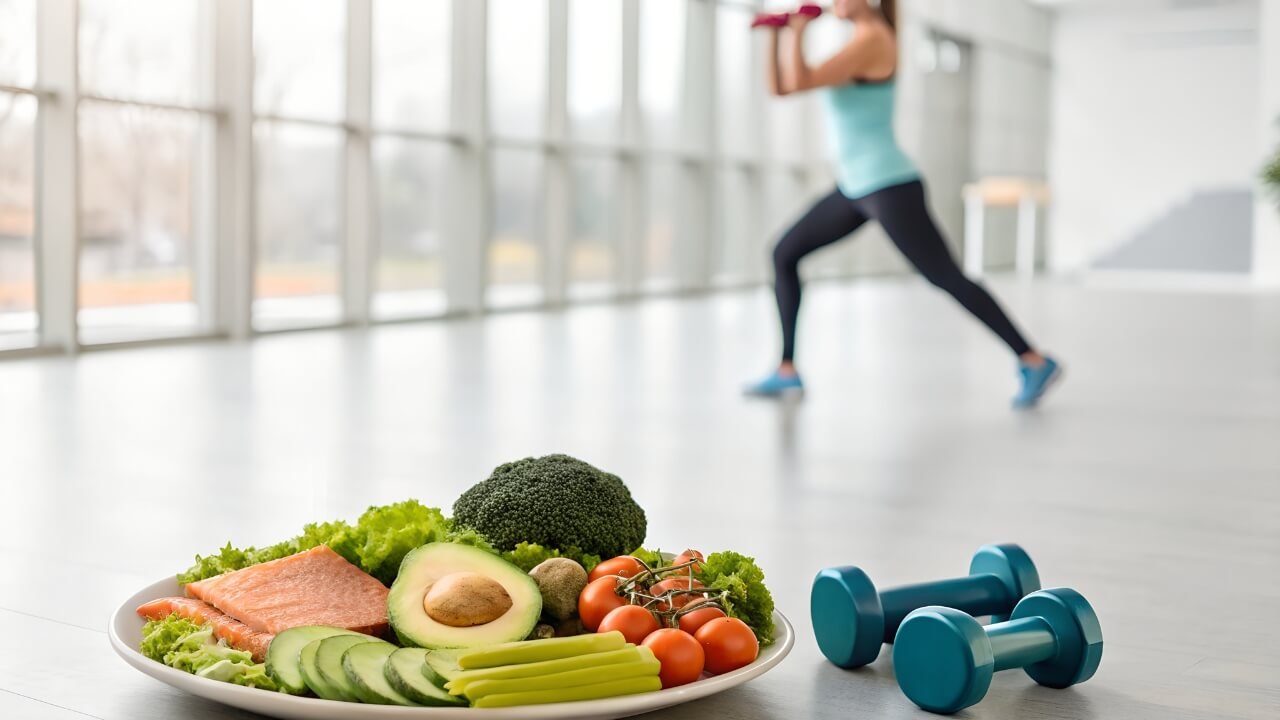
Nourishing Your Body and Rebuilding Strength
After giving birth, your body needs proper nutrition to heal from pregnancy and delivery, support breastfeeding if you choose to nurse, and provide you with energy to care for your newborn. Combined with appropriate exercise once you’re cleared by your doctor, good nutrition forms the foundation of healthy postpartum recovery.
Why Nutrition Matters Now
Your postpartum body is simultaneously:
- Healing from pregnancy and childbirth
- Recovering from blood loss during delivery
- Producing breast milk (if breastfeeding)—which requires about 500 extra calories daily
- Running on minimal sleep
- Experiencing major hormonal shifts
Proper nutrition supports all these processes and helps prevent postpartum depression, promotes healing, maintains energy levels, and supports your immune system.
Balanced Postpartum Nutrition
Protein for Tissue Repair: Protein is essential for healing tissues damaged during delivery. Aim for protein at every meal.
- Sources: Lean meat, poultry, fish, eggs, dairy, beans, lentils, tofu, nuts
- Target: About 75-100g daily, more if breastfeeding
Iron for Blood Replenishment: You lost blood during delivery, and your body needs iron to rebuild blood cells and prevent anemia.
- Sources: Red meat, poultry, fish, leafy greens (spinach, kale), beans, fortified cereals, dried fruit
- Tip: Pair iron-rich foods with vitamin C (citrus, tomatoes, peppers) to enhance absorption
- Consider: Continuing your prenatal vitamin which contains iron
Calcium for Bone Health: Calcium supports your bone health, especially important if breastfeeding.
- Sources: Dairy products, fortified plant milk, leafy greens, almonds, sardines with bones
- Target: 1000-1300mg daily
Healthy Fats for Hormones and Milk: Don’t fear fat—it’s essential for hormone regulation, brain function, and if breastfeeding, for your milk quality.
- Sources: Avocados, nuts, seeds, olive oil, fatty fish (salmon, sardines), nut butters
- Omega-3s: Especially important for your mood and baby’s brain development if breastfeeding
Complex Carbohydrates for Energy: Choose whole grains over refined carbs for sustained energy.
- Sources: Whole grain bread, brown rice, oatmeal, quinoa, sweet potatoes
- Benefit: Also provide fiber to prevent constipation
Fruits and Vegetables: Aim for colorful variety to get different vitamins, minerals, and antioxidants.
- Target: 5-7 servings daily
- Benefit: Support immune function, healing, and provide fiber
Hydration Is Critical
If Not Breastfeeding: Drink at least 8 glasses (2 liters) of water daily If Breastfeeding: Increase to 10-12 glasses (3 liters) daily
Tips:
- Keep a water bottle with you at all times
- Drink a glass of water every time you breastfeed
- If you’re thirsty or your urine is dark yellow, drink more
- Herbal teas and soups count toward your fluid intake
Foods That Support Milk Production
If breastfeeding, certain foods may help support milk supply:
- Oatmeal: Many mothers swear by daily oatmeal
- Fenugreek seeds: Traditional galactagogue (check with doctor first)
- Leafy greens: Rich in nutrients
- Nuts and seeds: Especially almonds and flaxseeds
- Whole grains: Brown rice, barley
- Salmon: Omega-3s and protein
- Eggs: Complete protein
Most important: Eating enough calories (about 2300-2500 if breastfeeding) and staying well-hydrated matter more than specific “milk-making” foods.
Continue Your Prenatal Vitamin
Keep taking your prenatal vitamin for at least the first few months postpartum, longer if breastfeeding. It provides:
- Iron to replenish stores
- Folic acid and B vitamins
- Vitamin D (especially important in winter months)
- Calcium if your diet lacks dairy
- DHA (omega-3) for mood and milk quality
Quick and Healthy Meal Ideas for New Moms
Breakfast:
- Oatmeal with berries, nuts, and a dollop of Greek yogurt
- Whole grain toast with avocado and eggs
- Smoothie with spinach, banana, berries, protein powder, and milk
Lunch/Dinner:
- Grilled chicken or salmon with roasted vegetables and brown rice
- Lentil soup with whole grain bread
- Stir-fry with tofu or shrimp, plenty of vegetables, and quinoa
- Pasta with tomato sauce, ground turkey, and vegetables
Snacks (Keep These on Hand):
- Hard-boiled eggs
- Cheese and whole grain crackers
- Apple or banana with nut butter
- Greek yogurt with fruit
- Trail mix with nuts and dried fruit
- Hummus with vegetable sticks
- Energy balls (dates, nuts, oats)
Meal Prep Tips:
- Cook double batches and freeze portions
- Accept meal deliveries from friends and family
- Use slow cooker or instant pot for easy meals
- Pre-cut vegetables for quick cooking
- Keep healthy convenience foods available (rotisserie chicken, pre-washed salads, frozen vegetables)
What About Weight Loss?
Be Patient with Your Body: It took 9 months to grow your baby; give yourself at least that long to return to your pre-pregnancy weight. Your body needs adequate nutrition to heal—now is not the time for restrictive dieting.
Gradual Loss is Healthy:
- Aim to lose no more than 0.5-1 pound (0.25-0.5 kg) per week
- If breastfeeding, rapid weight loss can affect milk supply
- Focus on nourishing your body, not restricting food
Breastfeeding Burns Calories: Exclusively breastfeeding burns about 500 calories per day, which naturally contributes to gradual weight loss without dieting.
When to Start Focusing on Weight Loss: Wait until after your 6-week check-up and until breastfeeding is well-established before intentionally trying to lose weight. Focus first on healing and establishing routines.
Starting Postpartum Exercise
When to Begin:
- Vaginal delivery: Wait until cleared by your doctor at 6-week check-up
- Cesarean section: Usually 6-8 weeks or when cleared by your doctor
- Pelvic floor exercises: Can start immediately after birth
- Gentle walking: Can begin within days after delivery as tolerated
Listen to Your Body: Everyone’s recovery timeline is different. Clearance at 6 weeks doesn’t mean you must start exercising vigorously—it means you can begin if you feel ready.
Safe Postpartum Exercises
Weeks 1-6: Very Gentle Movement
- Short walks (start with 10-15 minutes, gradually increase)
- Pelvic floor exercises (Kegels) starting immediately
- Gentle stretching
- Deep breathing exercises
After 6-Week Clearance: Start slowly and gradually build intensity over weeks and months.
Walking: The perfect starting exercise—low impact, can bring baby in a stroller, gets you outside.
- Start with 15-20 minutes
- Gradually increase to 30-45 minutes
- Can do daily
Pelvic Floor and Core Rebuilding: Essential before returning to intense exercise to prevent long-term problems.
- Continue daily pelvic floor exercises
- Add gentle core exercises (see below)
- Avoid traditional sit-ups/crunches initially
- Check for diastasis recti (abdominal separation)
Postpartum-Specific Yoga:
- Restores flexibility
- Rebuilds core and pelvic floor safely
- Reduces stress
- Choose classes specifically designed for postpartum
Swimming: Wait until lochia (bleeding) stops and, if applicable, until your 6-week check-up confirms healing.
Strength Training: After 8-12 weeks and once core/pelvic floor are recovering well:
- Start with light weights
- Focus on proper form
- Gradually increase weight
Core and Pelvic Floor Rebuilding Exercises
Check for Diastasis Recti First: This is separation of abdominal muscles, common after pregnancy. Lie on your back, knees bent, and feel along the center of your abdomen while lifting your head slightly. If you feel a gap wider than 2-3 finger widths, you have diastasis recti. Specific exercises can help close this gap—avoid traditional crunches until it heals.
Safe Core Exercises:
- Pelvic tilts: Lie on back, gently tilt pelvis to flatten lower back against floor
- Heel slides: Lie on back, slowly slide one heel away while keeping core engaged
- Modified plank: Start on knees, gradually progress to full plank
- Bird dog: On hands and knees, extend opposite arm and leg
- Bridge: Lie on back, lift hips while engaging core and glutes
How to Progress:
- Start with 5 repetitions
- Gradually increase to 10-20 over 2-3 weeks
- Add exercises slowly
- Always engage pelvic floor before core exercises
Exercise Cautions
Stop Exercise Immediately If You Experience:
- Heavy vaginal bleeding (more than a period)
- Pain (not just discomfort—actual pain)
- Dizziness or shortness of breath
- Feeling of pelvic pressure or heaviness
- Urinary incontinence during exercise
Activities to Avoid Initially:
- High-impact exercise (running, jumping) until pelvic floor is strong
- Heavy lifting (beyond baby weight) for at least 6 weeks
- Traditional abdominal crunches if you have diastasis recti
- Any exercise that causes pain or urinary leakage
Sample Weekly Exercise Plan (After 6-Week Clearance)
Week 1-2:
- 20-minute walks daily
- Pelvic floor exercises 5x daily
- Gentle stretching
Week 3-4:
- 25-30 minute walks daily
- Add 10 minutes of gentle core exercises 3x weekly
- Continue pelvic floor exercises daily
Week 5-8:
- 30-40 minute walks 5x weekly
- 20 minutes strength/core exercises 3x weekly
- Add postpartum yoga 2x weekly
Adjust based on how you feel—this is a guideline, not a rigid plan.
Balancing It All
Nutrition and exercise matter, but so does rest and stress management. Don’t feel guilty if some days you eat convenience foods or skip exercise. Your priority is recovering, bonding with your baby, and establishing routines. Sustainable healthy habits develop gradually over months, not days.
Be kind to yourself. Your body did something extraordinary—give it the nourishment, movement, and rest it needs to heal and thrive.