

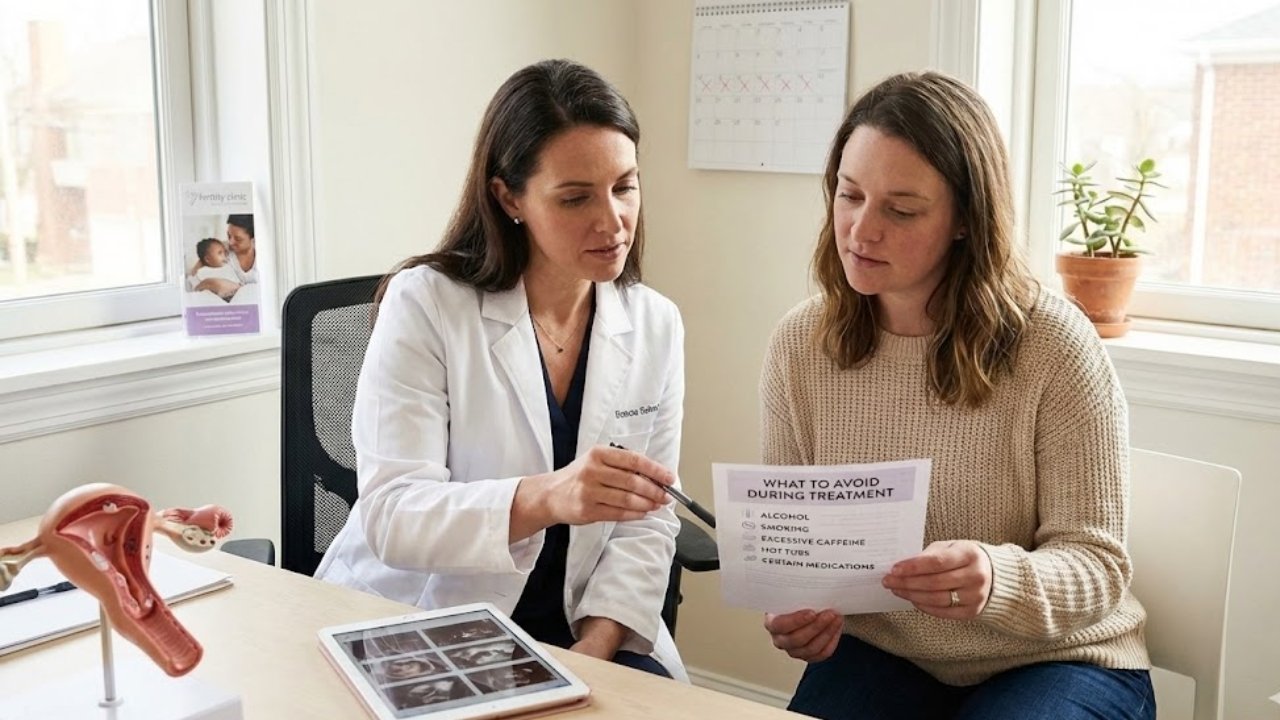
Certain substances and activities can harm fertility or interfere with treatment. Here’s what to avoid or limit.
Substances to Avoid
Smoking and Tobacco
MUST STOP – non-negotiable:
Effects on female fertility:
- Ages ovaries faster (acts like 10 years older)
- Reduces egg quality and quantity
- Lower IVF success rates (50% reduction)
- Higher miscarriage rates
- Earlier menopause
- Damages DNA in eggs
Effects on male fertility:
- Reduces sperm count
- Decreases motility
- Abnormal morphology
- DNA damage in sperm
- Erectile dysfunction
Secondhand smoke also harmful.
Quitting improves fertility:
- Benefits begin within months
- Egg quality improves
- Sperm quality improves
- IVF success rates increase
Resources exist:
- Nicotine replacement
- Medications
- Counseling
- Support groups
This is the single most important change you can make.
Alcohol
Recommendation: Avoid completely
Effects on female fertility:
- Disrupts menstrual cycle
- Affects ovulation
- Reduces IVF success rates
- Increases miscarriage risk
- Fetal alcohol syndrome risk (no safe amount in pregnancy)
Effects on male fertility:
- Reduces testosterone
- Decreases sperm quality
- Lower counts and motility
“How much is okay?”
- No completely safe amount
- If you do drink, limit to 1-2 drinks per week maximum
- None during two-week wait
- Zero once pregnant
Social challenges:
- Explaining why not drinking
- Pressure at events
- Coping mechanism loss
Alternatives:
- Mocktails
- Sparkling water with fruit
- “I’m on medication” (true!)
- “I’m not drinking right now”
Recreational Drugs
All harmful to fertility:
Marijuana:
- Disrupts ovulation
- Reduces sperm count and motility
- Affects hormone levels
- Harmful to fetal development
- Stays in system long time
Cocaine, methamphetamine, opioids:
- Severely impair fertility both partners
- Prevent conception
- Extremely harmful to fetus
- Addiction treatment essential
Even occasional use affects fertility.
Get help if needed – addiction treatment available.
Caffeine Limits
How Much Is Too Much?
Recommendation: Maximum 200mg daily
That’s about:
- One 12oz cup of coffee
- Two shots of espresso
- Two cups of black tea
- Four cups of green tea
Higher amounts linked to:
- Longer time to conception
- Slightly increased miscarriage risk
- Reduced IVF success
Hidden caffeine:
- Sodas
- Energy drinks (avoid completely)
- Chocolate (small amounts)
- Some medications
- Some teas
Making the Switch
Strategies:
- Half-caff coffee
- Smaller cup size
- Switch to tea (less caffeine)
- Decaf coffee
- Herbal tea (most caffeine-free)
- Gradual reduction (avoid headaches)
Caffeine withdrawal:
- Headaches for few days
- Fatigue
- Irritability
- Reduces within week
- Taper slowly
Foods to Avoid or Limit
High-Mercury Fish
Avoid completely:
- Shark, swordfish
- King mackerel
- Tilefish
- Bigeye tuna
Mercury:
- Impairs fertility
- Damages developing fetus
- Stays in system months
Choose low-mercury fish instead:
- Salmon, sardines, trout
- Canned light tuna
- Shrimp, tilapia
Raw or Undercooked Foods
Infection risk:
Avoid:
- Raw fish (sushi with raw fish)
- Raw oysters
- Undercooked eggs
- Rare meat
- Unpasteurized dairy or juice
- Deli meats (unless heated)
Why:
- Listeria, toxoplasma, salmonella
- Can cause miscarriage
- Fetal harm
- Start avoiding while trying (may already be pregnant)
Safe:
- Cooked sushi (California rolls, cooked eel)
- Well-done meat
- Pasteurized products
- Heated deli meats
Trans Fats
Avoid completely:
- Harm fertility (ovulation problems)
- Heart health risk
- No nutritional value
Found in:
- Some margarines
- Fried fast food
- Commercially baked goods
- Packaged snacks with “partially hydrogenated oils”
Read labels – being phased out but still present.
Excess Sugar and Processed Foods
Limit significantly:
- Disrupt hormones
- Cause inflammation
- Insulin problems (especially bad for PCOS)
- Weight gain
Reduce:
- Soda and sweet drinks
- Candy
- Baked goods
- Processed snacks
Occasional treat fine – just not daily.
Environmental Toxins
Pesticides
Exposure linked to:
- Reduced fertility both partners
- Lower sperm quality
- Ovulation problems
- Increased time to pregnancy
Reduce exposure:
- Wash produce thoroughly
- Choose organic for “dirty dozen” (strawberries, spinach, apples, grapes, etc.)
- Peel when possible
- Don’t need all organic (expensive and limited benefit for some)
BPA and Phthalates
Endocrine disruptors:
- Mimic hormones
- Disrupt reproduction
- In plastics, personal care products
Reduce exposure:
- Don’t heat food in plastic containers
- Use glass or stainless steel water bottles
- Avoid plastics marked 3, 6, 7 (contain BPA/phthalates)
- Choose BPA-free cans
- Reduce canned food consumption
- Check personal care product ingredients
- Fragrance-free products
Household Chemicals
Limit exposure:
- Cleaning products
- Pesticides and herbicides
- Paint and solvents
Safer alternatives:
- Natural cleaning products (vinegar, baking soda)
- Avoid harsh chemicals
- Ventilate well
- Wear gloves
- Have partner handle when possible
Occupational Hazards
Some jobs have exposures:
- Healthcare (anesthetic gases, chemicals)
- Laboratories (chemicals, radiation)
- Agriculture (pesticides)
- Manufacturing (solvents, metals)
- Salons (chemicals in products)
Protect yourself:
- Know your exposures
- Use protective equipment
- Follow safety protocols
- Discuss with doctor
- May need accommodations
- OSHA protections
Heat Exposure
Hot Tubs and Saunas
Avoid during treatment and two-week wait:
Elevated body temperature may:
- Harm egg quality
- Affect implantation
- Cause neural tube defects (early pregnancy)
- Sperm production impaired (men)
How long to avoid:
- Men: 3 months before trying (sperm production cycle)
- Women: Throughout treatment and pregnancy
Warm baths okay – just not very hot.
Tight Clothing and Laptops (Men)
Men should avoid:
- Very tight underwear (boxers better than briefs)
- Laptop directly on lap (use desk or lap desk)
- Prolonged sitting with legs crossed
- Bike seats (if excessive cycling)
Testicles need to be slightly cooler than body temperature.
Overheating reduces sperm quality.
Medications and Supplements
Check Before Taking
Always ask doctor before:
- Over-the-counter medications
- Supplements and herbs
- Vitamins beyond prenatal
Potentially harmful:
- NSAIDs (ibuprofen, naproxen) – avoid during treatment
- Some antidepressants (discuss with doctor, don’t stop without guidance)
- Some blood pressure medications
- Testosterone or steroids
- Some acne medications (Accutane extremely harmful)
Generally safe:
- Tylenol (acetaminophen)
- Most antibiotics
- Many medications (ask your doctor)
Prescription medications:
- Don’t stop without doctor approval
- Many are safe
- Benefits may outweigh risks
- Adjustments possible
Herbal Supplements
Not regulated – many unsafe:
Avoid:
- St. John’s Wort
- Dong quai
- Black cohosh
- High-dose echinacea
- Ginkgo biloba
- Yohimbe
- Many “fertility blends” (unproven, unregulated)
Prenatal vitamins and doctor-approved supplements only.
“Natural” doesn’t mean safe.
Activities and Behaviors
Extreme Exercise
Avoid:
- Intense training (over 5 hours/week)
- Exhaustive workouts
- Long-distance running during treatment
- High-impact during stimulation/after retrieval
Moderate exercise is beneficial – just not extreme.
Extreme Dieting
Avoid:
- Very low-calorie diets
- Fasting
- Keto or very low-carb (controversial)
- Eliminating entire food groups
- Weight loss surgery immediately before trying
Healthy weight loss (if needed):
- Gradual (1-2 pounds per week)
- Balanced nutrition
- Moderate calorie reduction
- Not extreme restriction
Body needs resources for reproduction.
Stress (When Possible)
Chronic severe stress affects fertility:
- Disrupts ovulation
- Reduces success rates
- Not your fault if stressed (this process is stressful!)
But reduce when possible:
- Stress management techniques
- Counseling
- Boundaries
- Self-care
- Support
Don’t blame yourself – “just relax” is not helpful.
Sleep Deprivation
Poor sleep affects:
- Hormones
- Egg quality
- Immune function
- Stress levels
Prioritize:
- 7-9 hours nightly
- Consistent schedule
- Good sleep hygiene
- Rest when tired
X-Rays and Radiation
Medical Radiation
X-rays and CT scans:
- Avoid if possible while trying
- Tell all providers you’re trying to conceive
- Shield abdomen/pelvis
- May need to delay depending on exposure
Dental X-rays:
- Usually okay with proper shielding
- Inform dentist
If X-ray needed:
- Benefits may outweigh risks
- Timing matters (avoid two-week wait)
- Discuss with both doctors
Airport Security
Full-body scanners safe:
- Non-ionizing radiation
- Very low exposure
- Not harmful to fertility or early pregnancy
Metal detectors definitely safe.
Opt for pat-down if concerned (your right).
Lubricants
Most Lubricants Harm Sperm
Avoid during fertile window:
- Most commercial lubricants (KY, Astroglide)
- Saliva
- Oils (except specific types)
Spermicidal or reduce motility.
Fertility-friendly lubricants:
- Pre-Seed (specifically designed)
- Conception-friendly brands
- Check label (“sperm-friendly”)
Or:
- Canola oil (small amount)
- Baby oil (mineral oil)
During treatment with timed intercourse:
- May need lubricant
- Choose carefully
IVF/IUI:
- Doesn’t matter (sperm processed)
What About…
Vaccines
Most safe and recommended:
- Flu vaccine (safe, recommended)
- COVID vaccine (safe, recommended)
- Tetanus, others typically fine
Avoid:
- Live virus vaccines while trying (MMR, chickenpox)
- Get before trying if needed
Check with doctor for specific vaccines.
Hair Dye
Probably safe:
- No strong evidence of harm
- Minimal absorption
- Many women dye hair while pregnant
If concerned:
- Wait until after first trimester if pregnant
- Highlights (less scalp contact)
- Natural/ammonia-free products
- Ventilated area
Personal choice.
Nail Salons
Generally okay:
- Brief exposure
- Well-ventilated salon
- Limit time
If you work in salon:
- More significant exposure
- Wear mask
- Ventilation important
- May need accommodations
For Male Partners
Men must avoid/limit too:
- Smoking (critical to stop)
- Alcohol (reduce significantly)
- Recreational drugs
- Excessive caffeine
- Anabolic steroids (very harmful)
- Hot tubs, saunas
- Tight clothing
- Laptops on lap
- Environmental toxins
Sperm takes 3 months to develop – changes need time to affect.
Both partners optimizing health improves chances.
Don’t Obsess
Balance Is Important
Avoid harmful things, but don’t stress excessively:
- Occasional small exposures won’t prevent pregnancy
- Perfection not required
- Millions of babies born to imperfect circumstances
- Do your reasonable best
The stress of trying to be perfect may be worse than minor imperfections.
What Matters Most
Prioritize:
- No smoking (most important)
- Limit/no alcohol
- No recreational drugs
- Limit caffeine
- Healthy weight
- Moderate exercise
- Good nutrition
- Prenatal vitamins
- Adequate sleep
- Manage stress
Other things matter less – don’t drive yourself crazy.
Remember
You’re doing your best to create healthy environment for conception.
Small changes make difference – don’t need perfection.
Focus on what you CAN control, let go of what you can’t.
Your efforts matter – you’re doing everything you can.
Be kind to yourself in this process.