

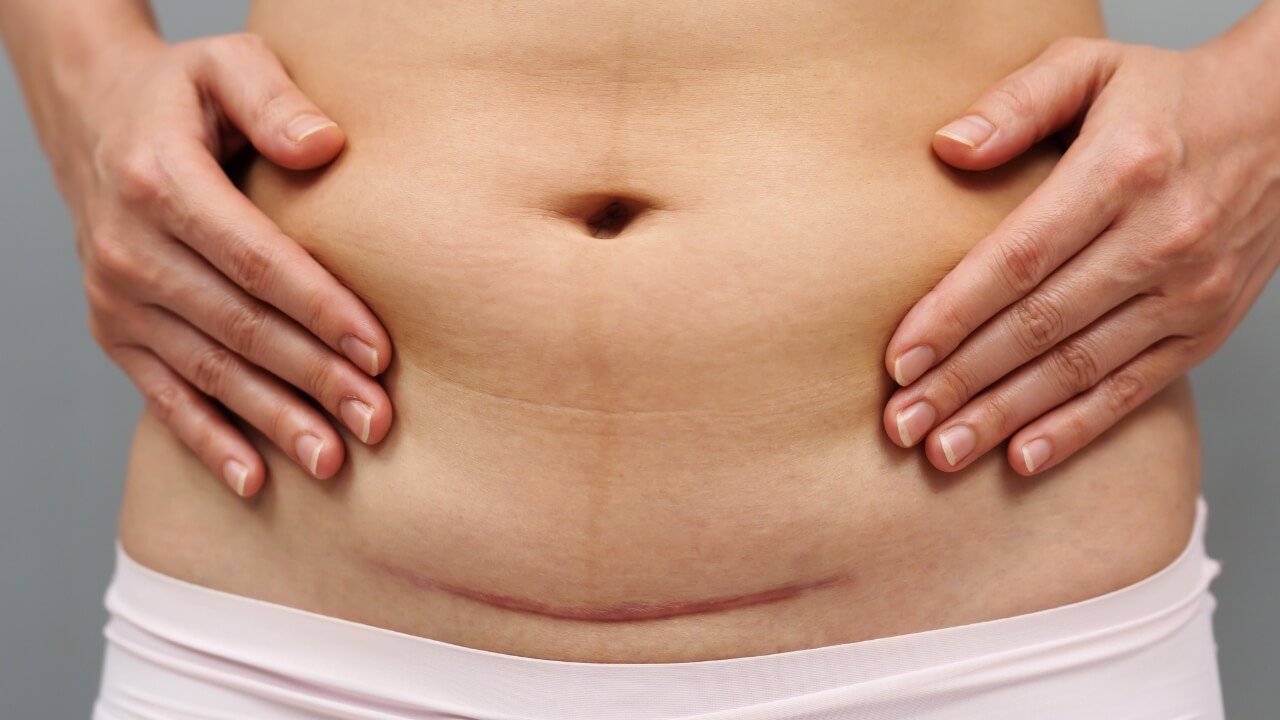
Healing After Cesarean Birth
Cesarean section is major abdominal surgery, and your recovery requires special care and patience. While you’re also caring for a newborn, your body needs time to heal from this surgical procedure. Understanding what to expect and how to care for yourself will help your recovery go smoothly.
Understanding Your Incision
Your incision is typically horizontal along your bikini line (low transverse incision), though vertical incisions are sometimes necessary. The incision goes through multiple layers: skin, fat, fascia (connective tissue), and the uterus itself. All these layers need time to heal properly.
You may have:
- Staples or stitches on the outside (usually removed 5-7 days after birth)
- Dissolvable stitches underneath that don’t need removal
- Surgical glue covering the incision
Incision Care
First Week:
- Keep the incision clean and dry
- Gently pat dry after showering (don’t rub)
- No baths, swimming, or soaking until cleared by your doctor
- Wear loose, comfortable clothing that doesn’t rub the incision
- Use high-waisted underwear or fold waistbands down below the incision
After Staples/Stitches Are Removed:
- Continue keeping the area clean
- Watch for signs of infection
- Some numbness around the incision is normal and may last months or be permanent
- Mild itching is normal as nerves heal
Massage (After 6 Weeks): Once fully healed and cleared by your doctor, gentle scar massage can improve flexibility and reduce adhesions. Use vitamin E oil or lotion and gently massage in circular motions.
Pain Management
Post-surgical pain is normal and typically most intense in the first few days, gradually improving over weeks.
Managing Pain:
- Take prescribed pain medication as directed—don’t wait until pain is severe
- Transition from prescription pain medication to over-the-counter options (ibuprofen, acetaminophen) as pain decreases
- Use a pillow to support your abdomen when coughing, sneezing, or laughing
- Apply ice packs (wrapped in cloth) to reduce swelling in the first days
- Move slowly and deliberately to avoid sudden movements that cause pain
Pain medication is safe while breastfeeding when taken as prescribed by your doctor.
Activity Restrictions
First Two Weeks:
- No lifting anything heavier than your baby
- No driving until you can brake quickly without pain (usually 2-3 weeks)
- No strenuous activity or exercise
- Short, gentle walks around your home are encouraged
- Get help with household tasks
Weeks 2-6:
- Gradually increase light activity as tolerated
- Still avoid heavy lifting, vigorous exercise, and strenuous housework
- Continue short walks, slowly increasing distance
- Listen to your body—stop if you feel pain or excessive fatigue
After 6 Weeks: Once cleared by your doctor at your postpartum check-up, you can gradually resume normal activities including:
- Exercise (start slowly with walking, gentle yoga, core-rebuilding exercises)
- Driving without restrictions
- Lifting and carrying
- Sexual activity
Getting In and Out of Bed
Use the “log roll” technique to minimize strain on your incision:
- Roll onto your side
- Use your arms to push yourself up to sitting
- Swing your legs over the side of the bed
- Stand slowly
Reverse this process when lying down. Avoid using your abdominal muscles to sit straight up from lying flat.
Warning Signs—Call Your Doctor Immediately
Contact your healthcare provider if you experience:
- Fever of 38°C (100.4°F) or higher
- Incision redness, swelling, or warmth increasing rather than improving
- Discharge from incision: Pus, fluid, or foul-smelling drainage
- Incision opening: Any separation of the wound edges
- Severe or increasing pain not relieved by medication
- Heavy vaginal bleeding: Soaking more than one pad per hour
- Severe abdominal pain separate from incision pain
- Difficulty breathing or chest pain
- Leg pain, swelling, or redness (could indicate blood clot)
Recovery Timeline
Days 1-3 (Hospital):
- Most intense pain and discomfort
- Catheter typically removed day 1-2
- Encouraged to walk short distances
- Bowel movements may be difficult (stool softeners help)
Week 1:
- Pain gradually decreasing
- Needing less pain medication
- Increased mobility but still moving slowly
- Fatigue from surgery and newborn care
Weeks 2-4:
- Significant improvement in pain and mobility
- Can do light household tasks
- Still need help with heavier chores
- Incision may itch as it heals
Weeks 4-6:
- Feeling much more like yourself
- Most daily activities manageable
- Still avoiding strenuous activity until cleared at 6-week check
After 6 Weeks:
- Most women feel largely recovered
- Cleared for exercise and full activity
- Some numbness or sensitivity at incision site may persist
Emotional Recovery
Having a cesarean birth, especially if unplanned, can bring complicated emotions. You may feel:
- Disappointed if you hoped for vaginal delivery
- Grateful that surgery kept you and baby safe
- Frustrated by recovery limitations
- Worried about future deliveries
These feelings are all valid. Many women successfully have vaginal births after cesarean (VBAC) in subsequent pregnancies. Discuss your birth experience and feelings with your healthcare provider, partner, or a counselor if needed.
Caring for Baby After C-Section
Breastfeeding Positions: The football hold or side-lying position keeps baby’s weight off your incision. Use pillows to support baby at breast height so you’re not leaning forward.
Getting Help: You’ll need extra help in the first weeks since you’re recovering from major surgery. Don’t hesitate to ask your partner, family, or friends to handle baby care tasks like diaper changes, bathing, and bringing baby to you for feeds.
Baby Carriers: Wait until 6-8 weeks or until cleared by your doctor before using baby carriers that put pressure on your incision.
Future Pregnancies
- Most providers recommend waiting 18-24 months before another pregnancy to allow complete healing
- VBAC (vaginal birth after cesarean) is possible for many women
- Each additional cesarean increases surgical risks slightly
- Discuss your birth options for future pregnancies with your provider
Remember, cesarean birth is real birth. You grew and delivered a baby—you’re amazing, and your body needs time and care to heal. Be patient and gentle with yourself.