

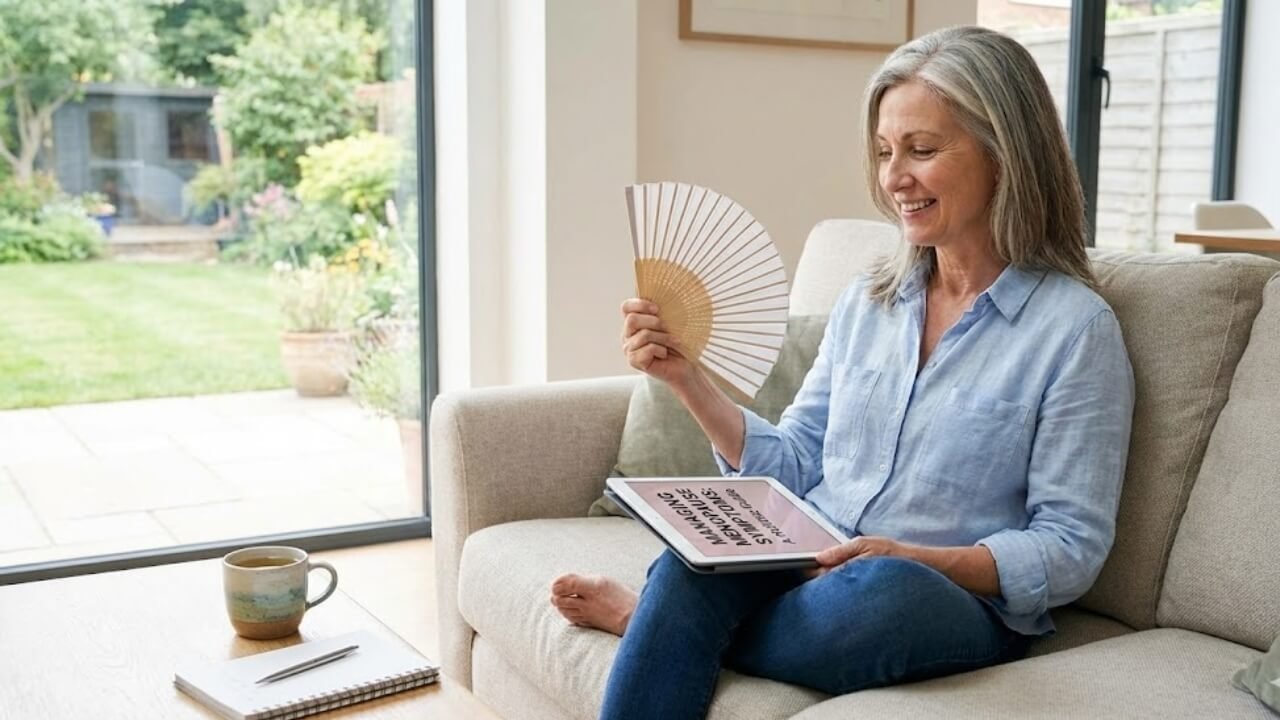
Finding Relief and Improving Quality of Life
Menopause symptoms vary dramatically from woman to woman. Some sail through with minimal disruption, while others experience symptoms that significantly impact daily life. The good news: many effective strategies exist—both lifestyle modifications and medical treatments. You don’t have to suffer in silence.
Common Menopause Symptoms
Hot Flashes and Night Sweats
What They Are: Sudden feelings of intense heat, usually affecting face, neck, and chest, often accompanied by sweating and rapid heartbeat. When they occur at night, they’re called night sweats.
How Common:
- Affect 75-80% of women
- Most common and bothersome symptom
- Can begin during perimenopause and last into postmenopause
Typical Pattern:
- Last 30 seconds to 5 minutes
- Frequency varies: several per hour to few per month
- Often worse at night
- Average duration: 7 years (but can be shorter or much longer—some women have them for 10+ years)
Triggers:
- Stress, anxiety
- Warm environments
- Hot beverages, spicy foods, alcohol
- Caffeine
- Smoking
- Tight clothing, heavy blankets
Impact:
- Sleep disruption (leading to fatigue, mood changes, difficulty concentrating)
- Embarrassment in social/work situations
- Drenched sheets requiring nighttime changes
- Significantly reduced quality of life for some women
Sleep Disturbances
Why Common:
- Night sweats disrupt sleep
- Hormonal changes affect sleep regulation
- Anxiety/mood changes interfere with sleep
- Aging itself affects sleep quality
Symptoms:
- Difficulty falling asleep
- Frequent waking throughout night
- Waking very early unable to return to sleep
- Poor quality sleep even if sleeping adequate hours
Impact: Chronic poor sleep leads to fatigue, irritability, difficulty concentrating, mood changes, increased risk of accidents, reduced quality of life.
Vaginal and Urinary Symptoms
Vaginal Changes:
- Vaginal dryness (most common—affects up to 50%)
- Vaginal irritation, itching, burning
- Painful intercourse (dyspareunia)
- Vaginal atrophy (thinning and inflammation of vaginal walls)
- Decreased lubrication during sexual activity
Why It Happens: Low estrogen causes vaginal tissue to thin, become less elastic, produce less moisture, and lose acidity (increasing infection risk).
Urinary Changes:
- Increased urinary frequency
- Urgency (sudden strong need to urinate)
- Recurrent urinary tract infections
- Stress incontinence (leaking with coughing, laughing, sneezing, exercise)
- Nocturia (waking at night to urinate)
Why It Happens: Low estrogen affects urinary tract tissues, bladder control, and pelvic floor muscles.
Important: Unlike hot flashes that may improve over time, vaginal/urinary symptoms often worsen without treatment. Effective treatments available—don’t suffer in silence.
Mood Changes
Common Experiences:
- Irritability (short temper, easily annoyed)
- Mood swings (emotional ups and downs)
- Anxiety (worry, nervousness, feeling on edge)
- Sadness or feeling down
- Difficulty concentrating (“brain fog”)
- Memory issues
Why It Happens:
- Hormone fluctuations affect neurotransmitters (serotonin, dopamine)
- Sleep deprivation from night sweats
- Stress of life transitions
- Physical symptoms affecting mood
- Previous history of depression/anxiety increases risk
Not the Same as Clinical Depression: While mood changes are common, severe or persistent depression requires evaluation and treatment. Seek help if you feel hopeless, lose interest in previously enjoyed activities, have thoughts of self-harm, or symptoms interfere with daily functioning.
Other Common Symptoms
Physical:
- Weight gain (especially abdominal)
- Joint and muscle aches
- Headaches
- Heart palpitations
- Dizziness
- Fatigue
- Breast tenderness
Cognitive:
- “Brain fog” (difficulty concentrating, forgetfulness)
- Memory lapses
Sexual:
- Decreased libido (reduced sexual desire)
- Difficulty with arousal
- Difficulty reaching orgasm
- Reduced sexual satisfaction
Appearance:
- Skin changes (drier, thinner, less elastic)
- Hair thinning or loss
- Increased facial hair
Other:
- Changes in body odor
- Dry eyes, mouth
- Increased allergies
- Tinnitus (ringing in ears)
Lifestyle Modifications for Symptom Relief
For Hot Flashes and Night Sweats
Dress in Layers: Wear light, breathable fabrics. Remove layers when hot flash starts. Choose natural fibers (cotton, linen) over synthetics.
Keep Environment Cool:
- Lower thermostat (especially at night)
- Use fan (bedside or portable)
- Keep cold water nearby
- Use cooling pillow or mattress pad
Manage Triggers:
- Limit or avoid alcohol (common trigger)
- Reduce caffeine
- Avoid spicy foods
- Avoid very hot foods/drinks
- Manage stress (meditation, deep breathing, yoga)
- Stop smoking (smoking worsens hot flashes significantly)
Bedtime Strategies:
- Lightweight, breathable bedding
- Keep bedroom cool (60-67°F ideal for sleep)
- Moisture-wicking sleepwear
- Layer sheets (easy to remove one without uncovering completely)
- Keep ice water bedside
During Hot Flash:
- Deep, slow breathing (may shorten duration)
- Splash cool water on wrists
- Use handheld fan
- Step outside if possible
- Remove layer of clothing
For Sleep Problems
Sleep Hygiene:
- Consistent sleep schedule (same bedtime/wake time daily, even weekends)
- Cool, dark, quiet bedroom
- No screens 30-60 minutes before bed (blue light disrupts melatonin)
- Reserve bed for sleep and sex only (not TV, work, worrying)
- If can’t sleep after 20 minutes, get up and do relaxing activity
Bedtime Routine:
- Relaxing activities before bed (reading, gentle stretching, meditation)
- Warm bath 1-2 hours before bed (body temperature drop afterward promotes sleep)
- Avoid large meals, alcohol, caffeine several hours before bed
During the Day:
- Regular exercise (but not close to bedtime)
- Natural light exposure during day
- Limit daytime naps (if needed, 20-30 minutes max before 3pm)
If Night Sweats Are the Problem: Address hot flashes (see above). Treating night sweats improves sleep dramatically.
For Vaginal Dryness and Painful Sex
Vaginal Moisturizers:
- Regular use (2-3 times weekly, not just during sex)
- Over-the-counter products (Replens, Hyalo GYN, others)
- Mimic natural moisture
- Relief lasts several days
Lubricants:
- Use during sexual activity
- Water-based or silicone-based (silicone lasts longer)
- Avoid oil-based if using condoms (breaks down latex)
- Generously apply to both partners
Stay Sexually Active:
- Regular sexual activity (with partner or solo) increases blood flow to vaginal tissue
- Helps maintain tissue health
- “Use it or lose it” principle applies
Avoid Irritants:
- No douches (ever)
- Avoid scented soaps, feminine hygiene products
- Use plain water or gentle, unscented cleaners
- Wear cotton underwear
- Avoid tight pants
Pelvic Floor Exercises (Kegels): Strengthen pelvic floor muscles, improving bladder control and sexual function (see separate content about pelvic floor exercises).
For Mood and Mental Health
Stress Management:
- Regular exercise (30 minutes most days)
- Meditation, mindfulness, deep breathing
- Yoga, tai chi
- Time in nature
- Creative activities
- Social connection
Sleep: Improving sleep dramatically improves mood. Prioritize sleep hygiene and treat night sweats.
Healthy Lifestyle:
- Balanced diet
- Limit alcohol (depressant that worsens mood)
- Avoid excessive caffeine (increases anxiety)
- Don’t smoke
- Maintain healthy weight
Connection:
- Talk to friends, family, support groups
- Share what you’re experiencing
- Don’t isolate
- Consider counseling if helpful
Cognitive Strategies:
- Challenge negative thoughts
- Focus on what you can control
- Practice self-compassion
- Maintain perspective (symptoms are temporary)
For Weight Gain
Why It Happens:
- Metabolic rate decreases with age
- Hormonal changes promote fat storage (especially abdominal)
- Loss of muscle mass with age
- Often less active than when younger
Strategies:
- Strength training (most important—builds muscle, increases metabolism)
- Cardiovascular exercise (150+ minutes weekly)
- Reduce portions (need fewer calories than when younger)
- Increase protein (supports muscle, increases satiety)
- Limit refined carbs and sugars
- Eat more vegetables, fruits, whole grains
- Stay hydrated
- Get adequate sleep (poor sleep promotes weight gain)
Realistic Expectations: Some weight gain and body composition changes are normal. Focus on health and strength, not arbitrary numbers. Maintaining weight (not gaining more) is success.
Non-Hormonal Medical Treatments
If lifestyle modifications aren’t enough, several non-hormonal options exist.
Prescription Medications for Hot Flashes
SSRIs and SNRIs (Antidepressants):
- Paroxetine (Brisdelle): Only FDA-approved non-hormonal medication specifically for hot flashes
- Others that help: Venlafaxine, escitalopram, citalopram (off-label use)
- Effectiveness: Reduce hot flashes by 50-60% (less effective than HRT but still helpful)
- Benefits: Also help mood, anxiety
- Side effects: Nausea, insomnia, decreased libido, weight gain (vary by medication)
Gabapentin:
- Anti-seizure medication that reduces hot flashes
- Effectiveness: About 50% reduction in hot flashes
- Particularly helpful if hot flashes disrupt sleep
- Side effects: Drowsiness, dizziness, swelling
Clonidine:
- Blood pressure medication that can reduce hot flashes
- Less effective than SSRIs or gabapentin
- Side effects: Dry mouth, constipation, drowsiness, dizziness
Who Should Consider:
- Women who can’t or won’t use HRT
- Breast cancer survivors
- High cardiovascular risk
- History of blood clots
- Want to avoid hormones
For Vaginal Symptoms
Low-Dose Vaginal Estrogen:
- Cream, tablet, or ring inserted in vagina
- Extremely effective for vaginal dryness, painful sex, urinary symptoms
- Very little estrogen absorbed systemically (stays local)
- Much safer than systemic HRT—can use even with history of breast cancer (discuss with oncologist)
- Products: Estradiol cream, estradiol tablet (Vagifem), estradiol ring (Estring)
SERM (Selective Estrogen Receptor Modulator):
- Ospemifene (Osphena): Oral medication for vaginal dryness/painful sex
- Acts like estrogen in vaginal tissue
- Effectiveness: Very effective
- Side effects: Hot flashes may worsen, small increased risk of blood clots
DHEA Vaginal Insert:
- Prasterone (Intrarosa): DHEA suppository
- Converts to estrogen locally in vagina
- Effective for vaginal symptoms
- Minimal systemic absorption
Cognitive Behavioral Therapy (CBT)
What It Is: Structured therapy focusing on changing thought patterns and behaviors.
Effectiveness:
- Reduces distress from hot flashes (doesn’t reduce frequency but improves coping)
- Improves sleep
- Reduces anxiety and depression
- Helps with mood symptoms
How It Works:
- Learn to identify and challenge unhelpful thoughts
- Develop coping strategies
- Improve sleep habits
- Manage stress
Who Benefits: Women with mood symptoms, sleep problems, or struggling with emotional aspects of menopause transition.
Acupuncture
Evidence: Mixed but some studies show reduction in hot flash frequency and severity. Worth trying if interested.
Natural and Alternative Approaches
Important Note: “Natural” doesn’t mean safe or effective. Supplements aren’t regulated by FDA. Discuss with your provider before trying.
Herbal Supplements
Black Cohosh:
- Most studied herbal remedy for menopause
- Evidence: Mixed—some studies show modest benefit for hot flashes, others show no benefit
- Generally safe short-term
- May interact with medications
Soy and Isoflavones:
- Soy contains plant estrogens (phytoestrogens)
- Evidence: Weak—minimal benefit if any
- Dietary soy (tofu, edamame) safe
- High-dose supplements less studied
Red Clover:
- Contains phytoestrogens
- Evidence: Minimal benefit demonstrated
- Generally safe
Evening Primrose Oil:
- Evidence: No proven benefit for hot flashes
- May help breast tenderness
Other: Many other herbs marketed for menopause (dong quai, ginseng, maca, etc.) with little evidence of effectiveness.
Bottom Line: If you want to try herbal supplements, discuss with provider. May help some women but evidence is weak. Don’t delay effective treatments waiting for herbs to work.
Mind-Body Practices
Yoga:
- May reduce hot flash frequency and stress
- Improves sleep, mood, overall wellbeing
Meditation and Mindfulness:
- Reduces stress (which triggers hot flashes)
- Improves coping with symptoms
- Helps with mood and sleep
Hypnotherapy:
- Some evidence for reducing hot flash frequency
- Worth trying if interested
Benefits Beyond Symptoms: These practices improve overall health and wellbeing regardless of direct effect on menopause symptoms.
Weight-Bearing Exercise
- Crucial for bone health (see bone health pages)
- Improves mood
- Promotes better sleep
- Helps manage weight
- Reduces hot flash severity for some women
When to Consider Hormone Replacement Therapy (HRT)
Most Effective Treatment: HRT is by far the most effective treatment for moderate to severe menopause symptoms, reducing hot flashes by 75-90%.
Who Should Consider:
- Moderate to severe symptoms affecting quality of life
- Symptoms not adequately controlled with lifestyle changes and non-hormonal treatments
- Younger than 60 or within 10 years of menopause
- No contraindications (see HRT page)
Benefits:
- Dramatically reduces hot flashes and night sweats
- Improves sleep
- Treats vaginal dryness
- May improve mood
- Protects bones (reduces fracture risk)
- May reduce colorectal cancer risk
Risks:
- Small increased risk of breast cancer with long-term use (combined estrogen + progestin)
- Increased risk of blood clots
- Possible increased stroke risk (especially if started after age 60)
- See HRT page for complete discussion
Bottom Line: For many women, especially those with severe symptoms, benefits outweigh risks. Discuss thoroughly with your provider.
Creating Your Symptom Management Plan
Start with Lifestyle:
- Address triggers (stress, diet, environment)
- Optimize sleep hygiene
- Exercise regularly
- Eat healthy diet
- Stay socially connected
Add Non-Hormonal Options:
- Vaginal moisturizers/lubricants for vaginal symptoms
- Consider SSRIs if needed for hot flashes
- Try mind-body practices
Consider HRT If:
- Symptoms moderate to severe
- Significantly impact quality of life
- Lifestyle and non-hormonal options insufficient
- You’re a good candidate (see HRT page)
Individualize: What works for your friend may not work for you. Trial and error often needed. Work with your provider to find the right combination.
When to Seek Medical Help
See Your Provider If:
- Symptoms significantly affect quality of life
- Can’t function at work or home
- Severe mood changes or depression
- Relationship problems due to symptoms
- Bleeding after 12 months without period
- Severe or unusual symptoms
Don’t Suffer in Silence: Many effective treatments exist. You don’t have to just “tough it out.” Your quality of life matters.
The Bottom Line
Symptoms Are Real: Menopause symptoms are not “all in your head” and not something you should just endure. They’re caused by real hormonal changes.
Many Options Exist: From lifestyle modifications to prescription medications to HRT, many tools are available to manage symptoms.
Treatment Works: Most women find significant relief with appropriate treatment. Don’t give up if first approach doesn’t work—adjust and try something different.
Quality of Life Matters: You deserve to feel good. Menopause is a natural transition, but suffering through severe symptoms is not required.
You’re Not Alone: Millions of women navigate menopause. Support, information, and effective treatments are available. Reach out.