

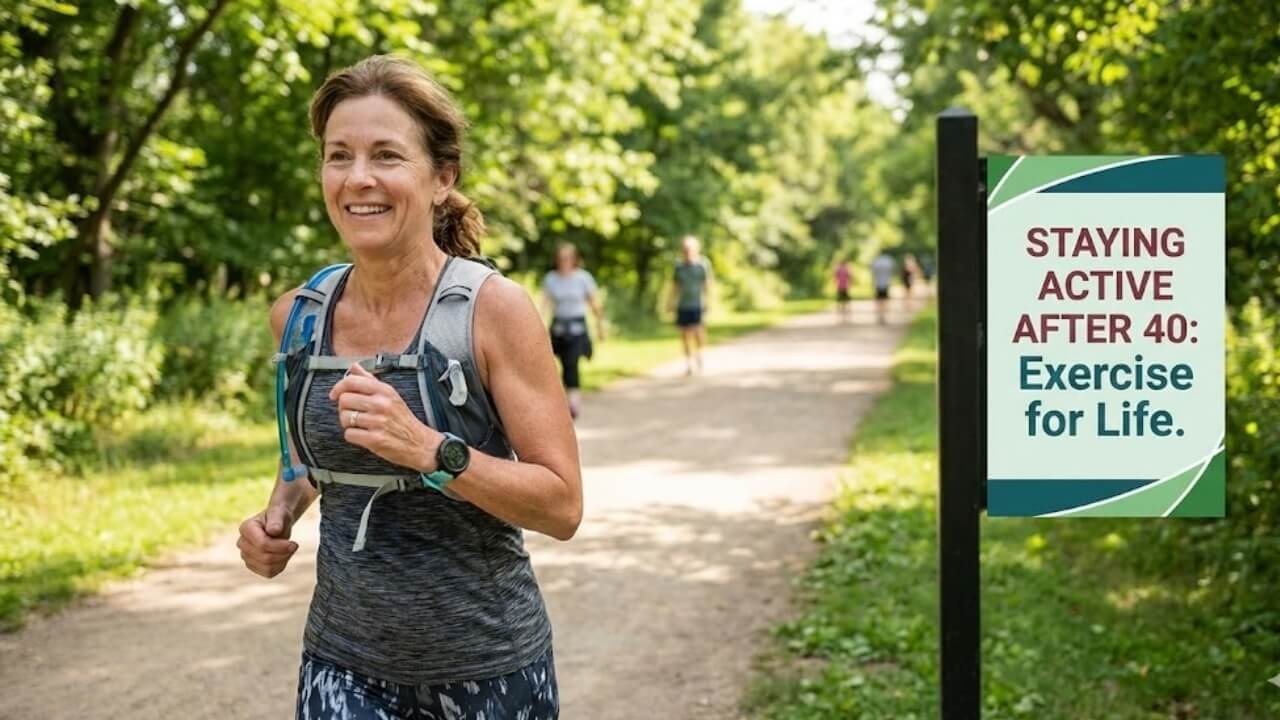
Regular physical activity becomes even more important as you age. Exercise isn’t just about maintaining your weight—it’s about preserving your independence, protecting your health, and enhancing your quality of life for decades to come.
Why Exercise Matters More Than Ever
Heart Health Your heart disease risk increases after menopause as estrogen’s protective effects diminish. Regular aerobic exercise strengthens your heart, improves circulation, and helps control blood pressure and cholesterol—your best defense against cardiovascular disease.
Bone Density Maintenance Weight-bearing and resistance exercises are crucial for preventing osteoporosis. Exercise stimulates bone formation and slows bone loss, helping you maintain the strength you need to avoid fractures and stay active.
Balance and Fall Prevention Falls become more dangerous as you age. Balance exercises significantly reduce your fall risk by improving coordination, strengthening stabilizing muscles, and increasing your confidence in movement.
Mental Health Benefits Exercise is one of the most effective treatments for depression and anxiety. It releases endorphins, reduces stress hormones, improves sleep, and boosts self-esteem—benefits that matter at every age.
Cognitive Function Physical activity increases blood flow to your brain, promotes new neuron growth, and may reduce your risk of dementia by up to 30%. It’s the single most important thing you can do for brain health.
Maintaining Independence Strong muscles, good balance, and cardiovascular fitness allow you to continue doing the things you love—playing with grandchildren, traveling, gardening, living independently—for as long as possible.
The Four Types of Exercise You Need
A complete fitness program includes all four types. Each provides unique benefits, and you need them all for optimal health.
1. Aerobic Exercise (Cardio)
What it does: Strengthens your heart and lungs, improves circulation, helps control weight, reduces disease risk.
How much: Aim for 150 minutes of moderate-intensity activity per week (like brisk walking) OR 75 minutes of vigorous activity (like jogging). You can split this into manageable sessions—even 10 minutes counts.
Good options:
- Brisk walking (easiest to start)
- Swimming (gentle on joints)
- Cycling or stationary bike
- Dancing (fun and social)
- Water aerobics
- Hiking
2. Strength Training (Essential!)
What it does: Builds and maintains muscle mass, strengthens bones, improves metabolism, makes daily activities easier, prevents sarcopenia (age-related muscle loss).
How much: At least 2-3 sessions per week, working all major muscle groups. Allow rest days between sessions.
Good options:
- Free weights or dumbbells
- Resistance bands (portable and versatile)
- Weight machines at gym
- Body-weight exercises (push-ups, squats)
- Kettlebells
Start with light weights and proper form. Gradually increase as you get stronger.
3. Flexibility (Stretching)
What it does: Maintains range of motion, reduces injury risk, eases muscle tension, improves posture, reduces aches and pains.
How much: Daily stretching is ideal, holding each stretch for 30 seconds without bouncing.
Good options:
- Gentle yoga
- Dedicated stretching routine
- Tai chi (combines flexibility with balance)
4. Balance Exercises
What it does: Prevents falls by improving stability, strengthens core and stabilizing muscles, increases confidence in movement.
How much: Include balance work 2-3 times weekly, or incorporate into other activities.
Good options:
- Tai chi (proven to reduce falls)
- Yoga (many poses challenge balance)
- Standing on one foot while brushing teeth
- Heel-to-toe walking
- Balance exercises during strength training
Getting Started Safely
Check with Your Doctor First If you have chronic conditions (heart disease, diabetes, arthritis, osteoporosis), are significantly overweight, or haven’t exercised in years, talk to your doctor before starting a new program. They may recommend specific modifications or precautions.
Start Slow and Build Gradually If you’re currently inactive, begin with just 5-10 minutes of gentle activity daily. Add a few minutes each week. There’s no rush—slow, steady progress prevents injury and builds sustainable habits.
Listen to Your Body Mild muscle soreness the day after exercise is normal. Sharp pain, joint pain, chest pain, dizziness, or severe shortness of breath are not. Stop and consult your doctor if you experience concerning symptoms.
Proper Form Prevents Injury Especially with strength training, correct technique matters more than how much weight you lift. Consider working with a trainer initially to learn proper form, or watch reputable instructional videos.
Overcoming Common Barriers
“I’m Too Old to Start Exercising” Absolutely false! Studies show people in their 70s, 80s, and even 90s can build muscle and improve fitness. It’s never too late to start, and you’ll see benefits at any age. Focus on what you can do, not what you can’t.
“I Don’t Have Time” You don’t need hour-long workouts. Three 10-minute walks spread throughout your day provide the same benefits as one 30-minute walk. Every bit of movement counts. Can you exercise while watching TV? Wake up 15 minutes earlier? Use lunch breaks?
“I Have Physical Limitations” Arthritis, previous injuries, or chronic conditions don’t mean you can’t exercise—they mean you need to exercise smart. Chair exercises work if standing is difficult. Swimming is ideal for arthritis. Physical therapists can design programs around your limitations. There’s an appropriate activity for everyone.
“Exercise Is Boring” Then find activities you enjoy! Try dancing, gardening (counts as exercise!), playing tennis, joining a walking group, taking nature hikes, or playing with grandchildren. Exercise doesn’t have to mean a gym. Movement is movement.
Social Activities That Count as Exercise
Physical activity doesn’t have to be formal exercise. Many enjoyable social activities provide fitness benefits:
- Dancing (excellent cardio and balance)
- Gardening and yard work (strength and flexibility)
- Playing with grandchildren (everything!)
- Golfing (walking the course)
- Active volunteering
- Group fitness classes (social and structured)
- Walking clubs or hiking groups
Combining social connection with physical activity provides double benefits for your health.
Mental Stimulation Matters Too
While physical exercise is crucial, keep your mind active as well:
- Learn new skills (language, instrument, hobby)
- Take classes at community centers
- Do puzzles and brain games
- Read widely
- Engage in creative activities
- Stay socially connected
- Try new experiences
Curiosity and continued learning keep your brain healthy and your life interesting.
It’s Never Too Late
Whether you’re 40, 60, or 80, starting an exercise program will improve your health, energy, and quality of life. The best time to start was 20 years ago. The second-best time is today.
You don’t need to run marathons or lift heavy weights. Start where you are, with what you can do. Walk around the block. Do chair exercises during commercials. Take the stairs instead of the elevator. Small changes add up to significant health benefits.
Your body is designed to move. Give it the gift of activity, and it will reward you with strength, health, and vitality for years to come.