

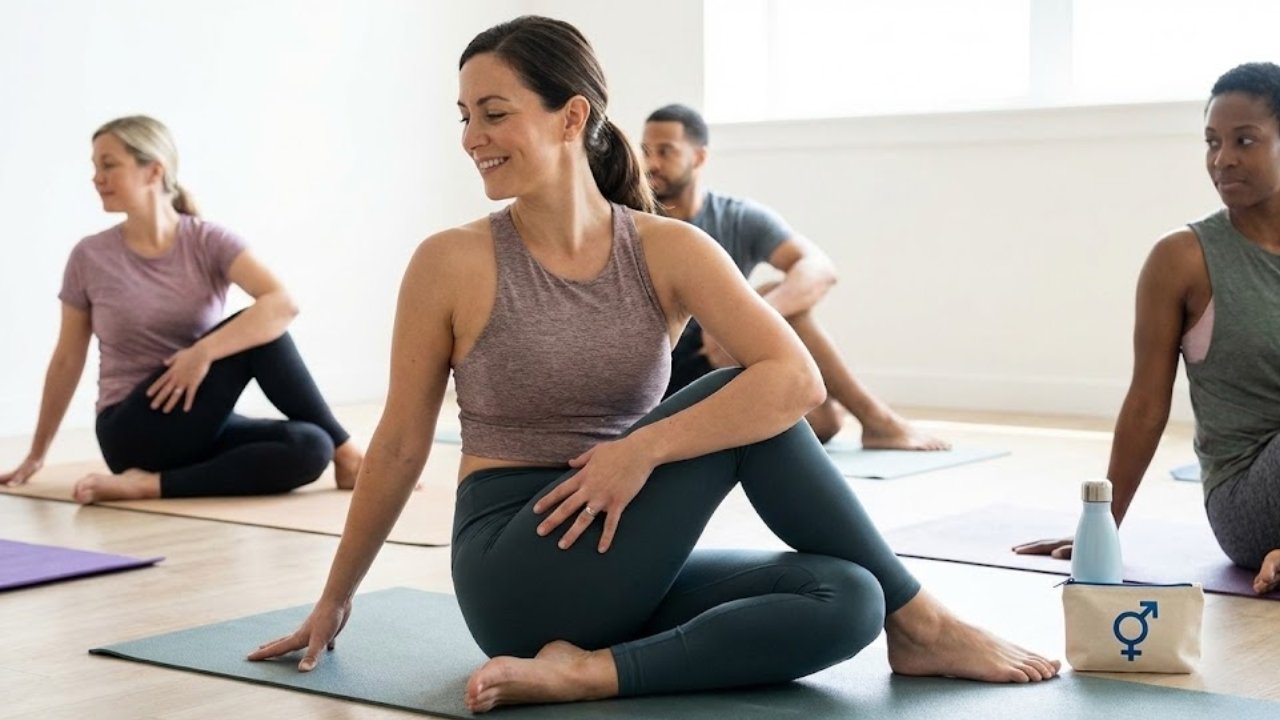
Moderate exercise supports fertility. Intense exercise can harm it. Finding the right balance is key.
Benefits of Moderate Exercise
For Fertility
Exercise helps:
- Maintain healthy weight
- Reduce stress and anxiety
- Improve insulin sensitivity (important for PCOS)
- Regulate hormones
- Improve blood flow
- Boost mood and energy
- Support overall health
- Improve sleep
Moderate exercise associated with:
- Regular ovulation
- Better IVF outcomes
- Reduced time to conception
Key word: MODERATE.
For Overall Health
During treatment:
- Coping mechanism for stress
- Sense of control
- Maintains strength and fitness
- Energy boost
- Mental health support
- Social connection (group classes)
Prepares body for pregnancy.
Too Much Exercise Harms Fertility
When Exercise Becomes Harmful
Intense or excessive exercise can:
- Disrupt menstrual cycles
- Prevent ovulation
- Reduce IVF success rates
- Cause hormonal imbalances
- Deplete energy reserves
- Increase stress hormones
Especially problematic if:
- High-intensity training
- Endurance training (marathons, triathlons)
- More than 5 hours per week
- Combined with low body weight
- Very low body fat percentage
The Science
Excessive exercise:
- Increases cortisol (stress hormone)
- Suppresses reproductive hormones
- Body prioritizes survival over reproduction
- Can stop periods altogether (hypothalamic amenorrhea)
Studies show:
- Women exercising to exhaustion daily have lower pregnancy rates
- 4+ hours vigorous exercise per week reduces IVF success
- Daily vigorous exercise for years linked to infertility
Your body needs resources for reproduction.
The Right Amount
General Guidelines
Ideal for fertility:
- Moderate intensity: 30-60 minutes most days
- Can talk during exercise but slightly breathless
- Heart rate elevated but not maximal
- Break a light sweat
- Feel energized after, not exhausted
About 2.5-5 hours per week total:
- Walking, swimming, cycling, yoga
- Gentle strength training
- Recreational sports (not competitive)
Listen to your body – more than numbers.
Intensity Levels
Low intensity (safe):
- Walking
- Gentle yoga
- Stretching
- Leisurely swimming
- Casual cycling
Moderate intensity (ideal):
- Brisk walking
- Moderate cycling
- Swimming laps
- Water aerobics
- Dancing
- Gardening
- Light jogging
- Hatha yoga
High intensity (limit or avoid during treatment):
- Running (especially long distance)
- HIIT workouts
- Intense spinning
- CrossFit
- Competitive sports
- Hot yoga
- Boot camps
Exercise During Different Treatment Phases
Before Treatment (General TTC)
Optimize your fitness:
- Establish healthy routine
- Build strength and endurance
- Achieve healthy weight
- Make exercise habitual
More flexibility:
- Can exercise more vigorously
- Just avoid excessive (over 5 hours/week high-intensity)
- Maintain regular periods
During IUI Treatment
Before insemination:
- Normal moderate exercise fine
- Avoid very intense workouts during stimulation
- Stay hydrated
After IUI (two-week wait):
- Continue gentle to moderate exercise
- Avoid high-impact
- Avoid jarring movements
- Listen to body
- Walking, swimming, gentle yoga excellent
No need for bed rest – doesn’t improve success rates.
During IVF Stimulation
More cautious:
- Ovaries enlarging significantly
- Risk of ovarian torsion (twisting)
- Abdominal discomfort
Safe activities:
- Walking (best option)
- Gentle yoga (no inversions)
- Stretching
- Swimming (gentle)
Avoid:
- Running, jumping
- High-impact aerobics
- Twisting movements
- Anything jarring
- Contact sports
- Heavy lifting
Reduce intensity by 50% from normal routine.
After Egg Retrieval
First few days:
- Very gentle only
- Walking okay
- Ovaries still enlarged
- Risk of torsion continues
- Let body recover
First week:
- Gradually increase
- Still avoid high-impact
- No twisting
- Swimming once bleeding stops
By 10-14 days:
- Usually can resume normal moderate exercise
- If not pregnant, return to routine with period
If pregnant:
- Continue moderate exercise
- Prenatal guidelines apply
After Embryo Transfer
Most controversial topic!
Current evidence shows:
- Bed rest does NOT improve success rates
- Normal activity is fine
- Moderate exercise probably safe
- Very intense exercise best avoided
Conservative approach (2 weeks):
- Walking: Excellent
- Gentle yoga: Fine
- Swimming: Okay (avoid if instructed otherwise)
- Avoid: High-impact, jarring, intense workouts
Embryo implantation:
- Happens 6-12 days after transfer
- Is NOT affected by walking, stairs, normal activity
- Embryo is microscopic and secure
- You cannot dislodge it
Do what feels right – stress about exercise may be worse than the exercise itself.
Best Exercises for Fertility
Walking
The best exercise during treatment:
- Low-impact
- Adjustable intensity
- Stress-reducing
- Safe throughout treatment
- Fresh air bonus
- Free and accessible
Aim for:
- 30 minutes daily
- Brisk pace (but can hold conversation)
- Outdoors when possible (vitamin D, nature)
Swimming
Excellent choice:
- Low-impact
- Full-body workout
- Gentle on joints
- Cooling (good during hot flashes)
- Relaxing
Safe throughout treatment:
- Gentle to moderate pace
- Avoid intense lap swimming
- Water aerobics good option
After transfer:
- Avoid hot pools/hot tubs
- Regular pool temperature fine
Yoga
Multiple benefits:
- Physical and mental
- Stress reduction
- Flexibility and strength
- Body awareness
- Community support
Choose:
- Hatha, Yin, Restorative
- Fertility yoga classes
- Gentle or beginner classes
Avoid:
- Bikram/hot yoga
- Very intense power yoga
- Advanced poses
Modifications during treatment:
- No deep twists (especially during stims)
- No inversions (controversial but often avoided)
- Skip poses compressing abdomen
- Listen to your body
Cycling
Moderate cycling okay:
- Stationary bike safest
- Outdoors at gentle pace
- Avoid intense spinning classes
Cautions:
- Avoid during late stimulation and after retrieval (ovaries enlarged, uncomfortable)
- May irritate pelvic area
- Switch to walking if uncomfortable
Strength Training
Light to moderate beneficial:
- Maintains muscle
- Supports metabolism
- Bone health
- Body confidence
Guidelines:
- Light to moderate weights
- Higher reps, lower weight
- Avoid heavy lifting (over 15 pounds during treatment)
- Avoid straining
- No breath-holding
- Proper form essential
Focus on:
- Upper body
- Core (gentle, no crunches during treatment)
- Lower body with light weights
Pilates
Generally safe:
- Core strength
- Flexibility
- Body awareness
- Low-impact
Modifications:
- Avoid intense core work during stimulation
- Skip certain positions during two-week wait
- Gentle reformer classes fine
What to Avoid
High-Impact Activities
Avoid or limit:
- Running (especially long-distance)
- Jumping, bouncing
- High-intensity interval training (HIIT)
- Plyometrics
- CrossFit-type workouts
- Intense aerobics classes
Why:
- Stress on body
- Hormonal disruption
- Too much cortisol
- Reduced IVF success in studies
If you’re a runner:
- Reduce mileage significantly
- Slower pace
- Switch to walking during treatment phases
- Can resume after (if not pregnant)
Contact Sports
Avoid:
- Soccer, basketball, etc.
- Risk of abdominal trauma
- Especially during stimulation (enlarged ovaries)
Hot Yoga and Saunas
Avoid:
- Elevated body temperature may harm eggs
- Potentially affects implantation
- Uncomfortable with hot flashes
- Dehydration risk
Save for after treatment.
Heavy Lifting
During treatment, limit:
- Over 15 pounds
- Straining increases abdominal pressure
- Risk to enlarged ovaries
After retrieval:
- Even more cautious (first week especially)
- Risk of ovarian torsion
Exercises That Twist Abdomen
During stimulation and after retrieval:
- Avoid deep twists
- Protect enlarged ovaries
- Risk of torsion
Gentle rotation okay – just no aggressive twisting.
Special Considerations
PCOS
Exercise especially important:
- Improves insulin sensitivity
- Helps with weight management
- Supports regular ovulation
- Reduces inflammation
Focus on:
- Consistent moderate activity
- Combination of cardio and strength
- Daily movement
Overweight/Obese
Weight loss improves fertility:
- 5-10% loss can restart ovulation
- Better treatment success rates
- Safer pregnancy
Exercise approach:
- Start where you are
- Gradually increase
- Focus on consistency over intensity
- Combine with nutrition changes
- Celebrate non-scale victories
Underweight/Athletes
May need to reduce exercise:
- If periods irregular or absent
- If body fat very low
- If training intensely
Difficult mentally:
- Identity tied to fitness
- Fear of weight gain
- Loss of coping mechanism
Work with team:
- Doctor, dietitian, therapist
- May need to choose between training and fertility temporarily
- Reproductive health needs adequate resources
Listening to Your Body
Warning Signs to Stop
Stop exercising if:
- Severe abdominal pain
- Dizziness or lightheadedness
- Vaginal bleeding (beyond light spotting)
- Severe shortness of breath
- Chest pain
- Severe ovarian discomfort
Call doctor if these occur.
Adjust Based on How You Feel
More rest if:
- Exhausted from medications
- Side effects severe
- Very uncomfortable
- Body needs recovery
Exercise should energize, not deplete.
Some days just walking is enough – that’s okay.
Mental Health Benefits
Exercise as Stress Relief
Fertility treatment is stressful:
- Exercise releases endorphins
- Provides sense of control
- Positive focus
- Takes mind off waiting
- Achievable goals
Can be crucial coping mechanism.
Social Connection
Group classes:
- Community support
- Accountability
- Fun and distraction
- Less isolation
Choose wisely:
- May want to avoid prenatal yoga (triggering)
- Find supportive environment
Body Positivity
Treatment is hard on body image:
- Weight changes
- Bloating
- Feeling “broken”
- Medical focus on body
Gentle exercise can help:
- Appreciate what body CAN do
- Feel strong
- Reconnect with body positively
- Not punishment, but care
Practical Tips
Schedule It
Make it happen:
- Plan exercise like appointments
- Consistency matters more than intensity
- Morning often works best (appointments later)
Make It Enjoyable
Choose activities you like:
- More likely to stick with it
- Should be pleasure, not punishment
- Okay to change up routine
- Try new things (gentle dance class, nature walks)
Partner Activity
Exercise together:
- Support each other
- Quality time
- Shared healthy habit
- Both partners benefit
Be Flexible
Treatment disrupts schedules:
- Early appointments
- Unexpected procedures
- Variable energy levels
- Need to adapt
Do what you can, when you can.
Remember
Moderate exercise supports fertility. Extreme exercise harms it.
Walking is always safe and beneficial.
Listen to your body more than any guideline.
Exercise should energize, not exhaust.
Perfect is the enemy of good – some movement better than none.
Your body is working hard. Be gentle with it.
Movement is self-care during this difficult time.